
Good morning, traders…
The stock market has an uncanny ability to do exactly what traders least expect.
Yesterday was a perfect example.
Sunday night, Fed Chair Jerome Powell posted a video revealing that the Department of Justice had launched an investigation into him.

The futures went deep red. Traders braced for impact.
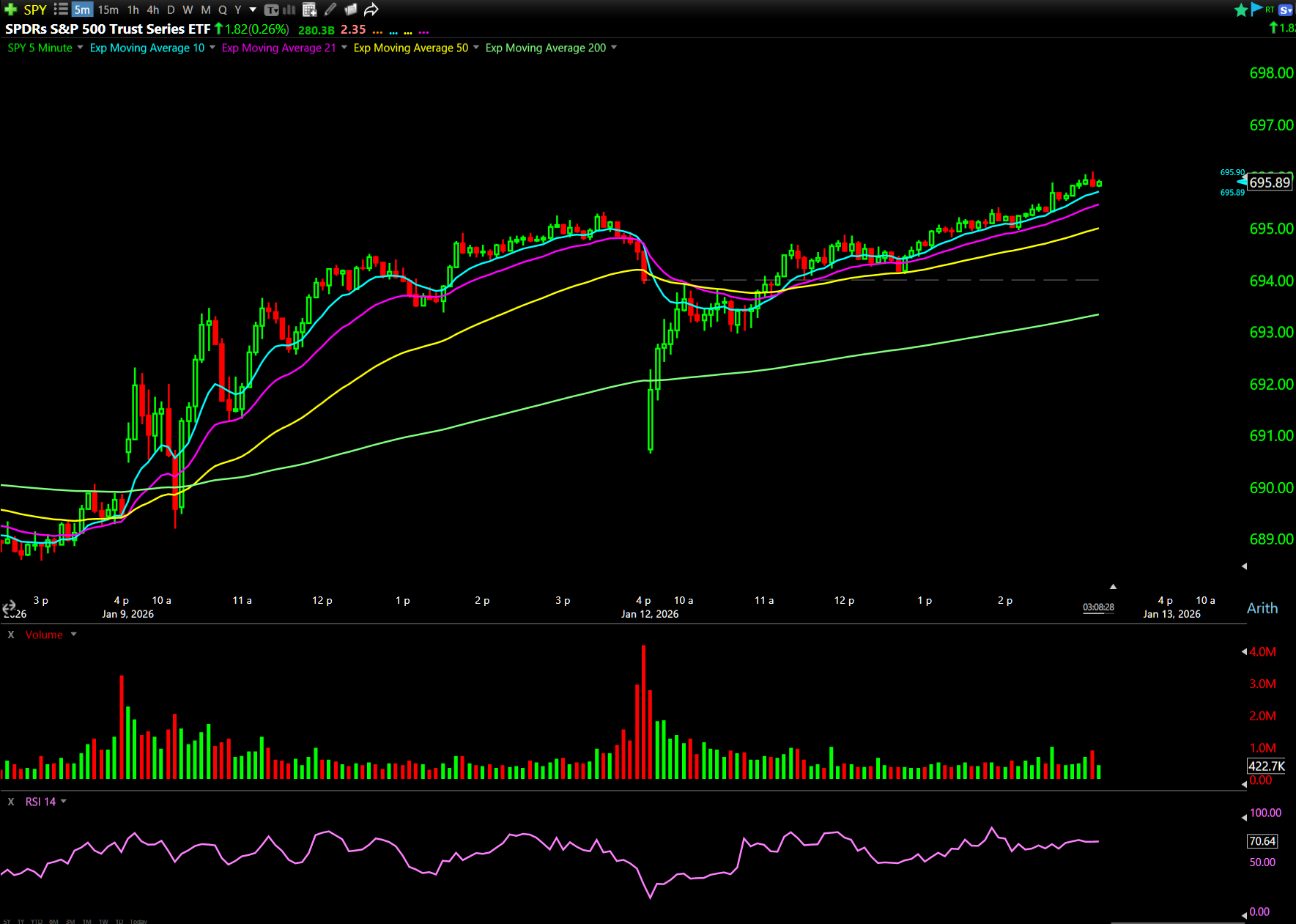
On cue, the S&P 500 gapped down at the open.
But on the first candle, it immediately bounced higher, staging an all-day rally that caught most of the market completely off guard:
If you bought SPY put options on Monday, expecting Fed-related downside, this happened:
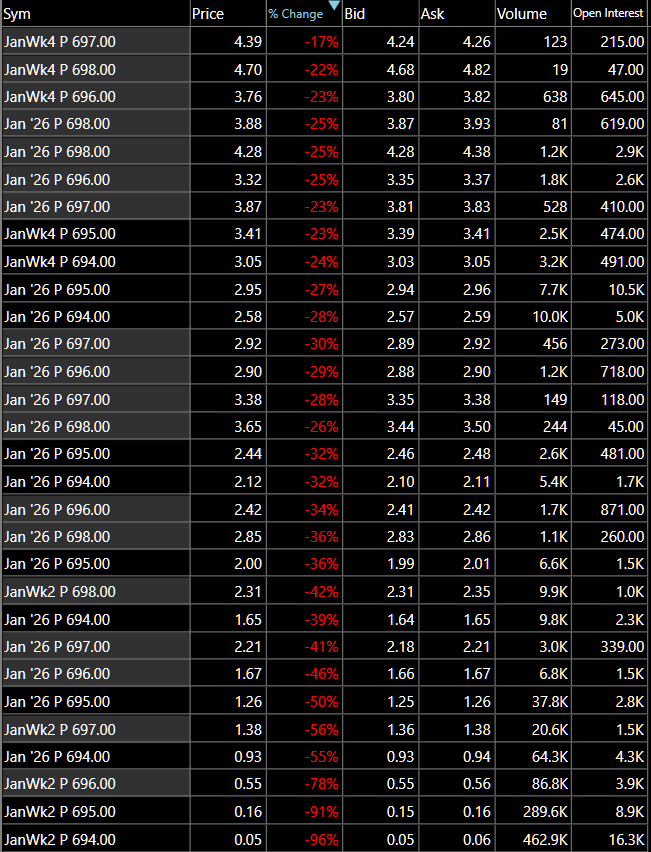
Meanwhile, a contrarian, short-dated call option play could’ve netted you dozens of % in just a few hours.
It was a textbook bear trap.
The market loves setting traps to extract money from anyone chasing the “obvious move.”
It’s like trying to play basketball against someone who only shoots with their left hand…
…until they suddenly flip right and leave you sliding across the court as they convert the easy layup.
Just like that ambidextrous shooting guard, the market wants to surprise you.
Here’s how to stop getting caught in those traps…
The 2 Classic Market Traps You Must Avoid
A bear trap looks like a chart breaking down on bad news.
Traders pile in short, expecting more downside…
But instead of following through lower … the move stalls out and reverses higher, trapping those bears (and forcing them to cover into strength).
A bull trap is the opposite.
Price breaks out above a key resistance level, volume spikes, and traders rush in long, thinking it’s the beginning of a massive reversal to the upside…
…only for the breakout to fail and reverse lower, leaving those bulls holding the bag.
(Look no further than last month’s “sell the news” dump in weed stocks for an example of this.)
Both traps work the same way: they lure traders in with a strong move that looks real (but doesn’t stick).
The result? Explosive price action in the opposite direction, fueled by trapped traders getting squeezed out.
Being on the wrong side of these traps will nearly guarantee a loss.
But being on the Smart Money side can lead to some fantastic trading opportunities.
How to Avoid Getting Trapped
When headlines sound like they’re going to send the market one way, but the first 30 minutes of price action do not confirm the move, that’s your clue:
You’re very likely watching a trap play out in real-time.
At that moment, you should avoid the “crowded side of the trade” (and maybe even consider taking the opposite side).
If it seems too easy, it probably is.
Any time a major news headline has the potential to swing the open:
Watch how key names and major indexes behave in the first 30 minutes.
The open itself can be a trap, but once the market has traded for half an hour, you can usually see a trend forming.
Price action will tell you more about what’s coming next than any headline…
Monday’s bear trap punished the obvious trade.
The lesson? After big news, the open can’t be trusted.
The first 30 minutes tell the most important story.
Trade what’s in front of you, stay humble, and don’t get too comfortable on either side of a major news catalyst.
That’s how you survive the market’s many traps (and maybe even make them work in your favor).
Happy trading,
Ben Sturgill
*Past performance does not indicate future results